Content Scaling: 7 Tips for Enterprise Success

Storyblok is the first headless CMS that works for developers & marketers alike.
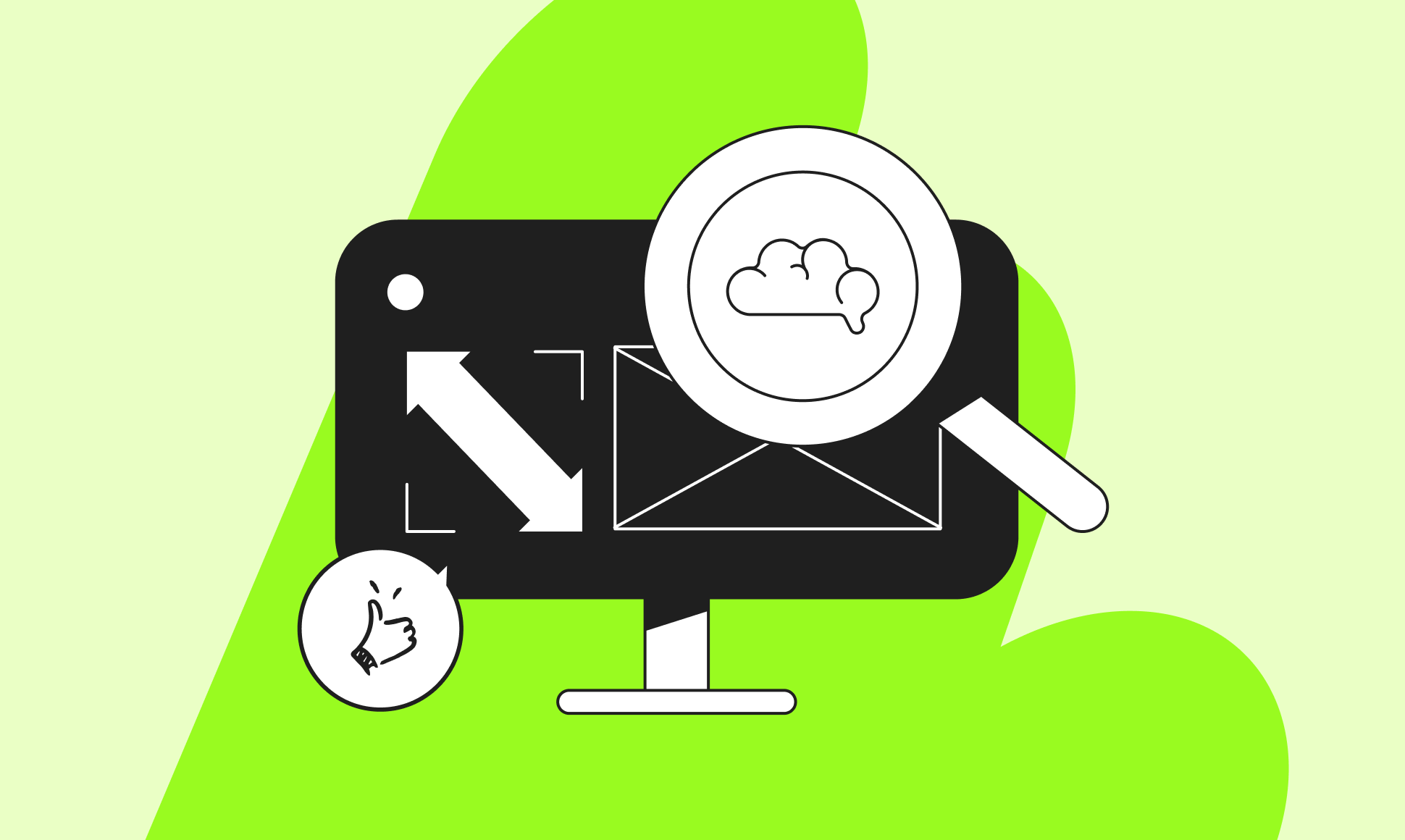
Content scaling is now a prerequisite for maintaining digital authority. Unfortunately, it's not without its challenges. Maintaining quality, consistency, and performance as your asset library grows is no small feat – and the bigger your enterprise gets, the harder it becomes to keep up.
That’s why content scaling isn’t just about producing more. It’s about producing smarter. By embracing a few key strategies, you can increase your brand visibility, drive sustainable organic traffic, and embrace a global growth plan without sacrificing your brand reputation or internal efficiency.
Let’s dive right in!
Content scaling defined
Content scaling is a growth strategy where an organization ramps up its content production to reach a larger audience. While scaling your content can be difficult, it has plenty of benefits to offer as well:
- Entering new markets, either in different regions or new customer groups
- Keeping up with competitors who are also expanding their presence
- Staying relevant and top of mind for existing customers
- Establishing a reputation as an industry thought leader
- Emphasizing your brand’s value to customers by providing more digital resources
Content scaling is a total strategy transformation. Increasing output in a strategic, sustainable, and speedy way requires careful planning and dedicated execution. You need to constantly be discarding what doesn’t work, optimizing processes, and prioritizing content quality from ideation to publication.
It’s not always easy. But the change is very much worth it. Sustainable content production that aligns with a customer-centric, GEO-powered world (opens in a new window) demanding both human input and clean technical structure is an investment. Mastering content scaling is the first step to minimizing your time-to-market, expanding your brand reach, and increasing your conversions – all without burning out your team or budget.
Learn more about how GEO is changing content discovery forever.
7 tips for enterprise content scaling
Proper content scaling is the key to sustainable, long-term success. Here are seven strategies that you can apply to increase your content with maximum efficiency.
1. Make omnichannel your default

Omnichannel content is the norm now. The more you embrace it, the more value you can get out of your content. From ideation to promotion, maintain an omnichannel mindset:
- Prioritize ideas that can comfortably fit blogs, landing pages, experiences, and even AI-driven searches
- When you add a new channel, look for ways to reuse existing content before committing to more production
- Keep everything consistent so the user journey remains seamless, no matter where a user discovers your brand
Over time, efficient optimization and a big-picture view will form the foundation for a cohesive approach that improves content ROI at scale.
2. Keep your style guide handy
A style guide is a document that instructs people how to write for your brand. Though especially useful for any external freelancers who may help with your content scaling, it’s important for in-house users, too.
This guide ensures that you can produce a huge amount of content while staying on brand. It acts as the one source of truth for everything about your brand, and can be updated as needed to keep everyone on the same page.
Plus, it can make any AI tools that much more effective. Try including it when you’re brainstorming ideas to ensure any inspiration keeps your identity in mind from the start.
Learn more about AI and how it could make or break your content strategy with our AI Knowledge Hub.
3. Prioritize agility
Content creators have long struggled to balance speed with quality. In our modern age, though, the hard truth is that speed is quality. There’s a huge advantage to reaching your target audience before competitors. It’s as core a deliverable as the content itself.
If you’re leaning into content scaling, don’t let roadblocks get you down. Be proactive about spotting and fixing slowdowns. Depending on your CMS, there are a variety of tools that you can use to help keep everything moving:
- Custom workflows that keep content moving through the appropriate stages
- Easy-to-use visual editing interface for intuitive content creation
- Collaboration tools like version control, in-engine commenting/tagging features, and real-time coauthoring
Finding opportunities to increase agility, especially through eliminating inefficiencies, will have a high return on your content scaling efforts.
4. Invest in content modeling
Content modeling creates a structured foundation for what you produce. By defining content types, components, and relationships, you’re applying consistency before you even begin.
This benefits your brand image while also making production much faster and easier. A defined, repeatable structure primes your content to be efficiently repurposed for different formats, markets, and platforms, expanding your reach without compounding your efforts. Plus, AI loves structured content (opens in a new window), so you’ll also be improving your GEO rankings with the same strategy.
Dive deeper with our article Content Modeling, Explained
5. Automate intelligently
You can multiply the impact of your content by leaps and bounds with one simple trick: automation. With Storyblok’s FlowMotion (opens in a new window), you can leverage custom automations to expand your content’s impact like never before:
- Create a unique social post generated from a new article every time you publish
- Translate content to essential languages immediately upon publication
- Auto-optimize your assets before they go live
By saving time and reusing content, you’re making content scaling faster and easier than ever.
Learn more about FlowMotion and request early access today!
6. Work with GEO, not against it
When it comes to a powerful force multiplier for content scaling, it’s hard to beat AI – but only if you’re using it carefully. With GEO quickly becoming the gatekeeper for who sees your content, it’s worth considering it a part of the audience.
Ensure your content is clear, consistent with your brand, authoritative, and well-structured. All of this makes it easier for generative engines to interpret and present your content to interested audiences. Just remember to keep a human in the loop – just because content ranks doesn’t mean it will always convert.
Not sure where to start? You can’t go wrong with best-practice SEO principles – they still play a big role in content visibility, and are still essential to GEO performance.
7. Choose infrastructure that supports content scaling
Here’s a hard truth: content strategy can’t outgrow its infrastructure. If you’re working with a tech stack that’s rigid, siloed, and not primed for the AI era, you’re up against an immovable limitation on what your content scaling can achieve. By choosing a CMS that makes content reuse, governance, and distribution easy by default, you’re investing in a scalable, effective strategy.
And in this day and age, that means choosing a headless CMS.
A headless CMS enables you to structure your content once and deliver it anywhere, while repeatable workflows ensure you can achieve speed without losing control or quality. Plus, headless CMS is future-proof. That means any new channels that can help enhance content scaling will always be compatible.
Learn more about how a headless CMS can support growth in Headless CMS vs. Traditional CMS: A Guide for Growing Businesses
Key takeaways
Enterprise content scaling isn’t a game of brute force. It’s a game of strategy. By investing in technology that can accommodate your expansion plans and designing your content calendar with omnichannel, GEO-consumption in mind, you can create high-quality, consistent content that continues to convert at scale.