Enterprise Omnichannel: 7 Things Your CMS Needs in the Age of GEO

Storyblok is the first headless CMS that works for developers & marketers alike.
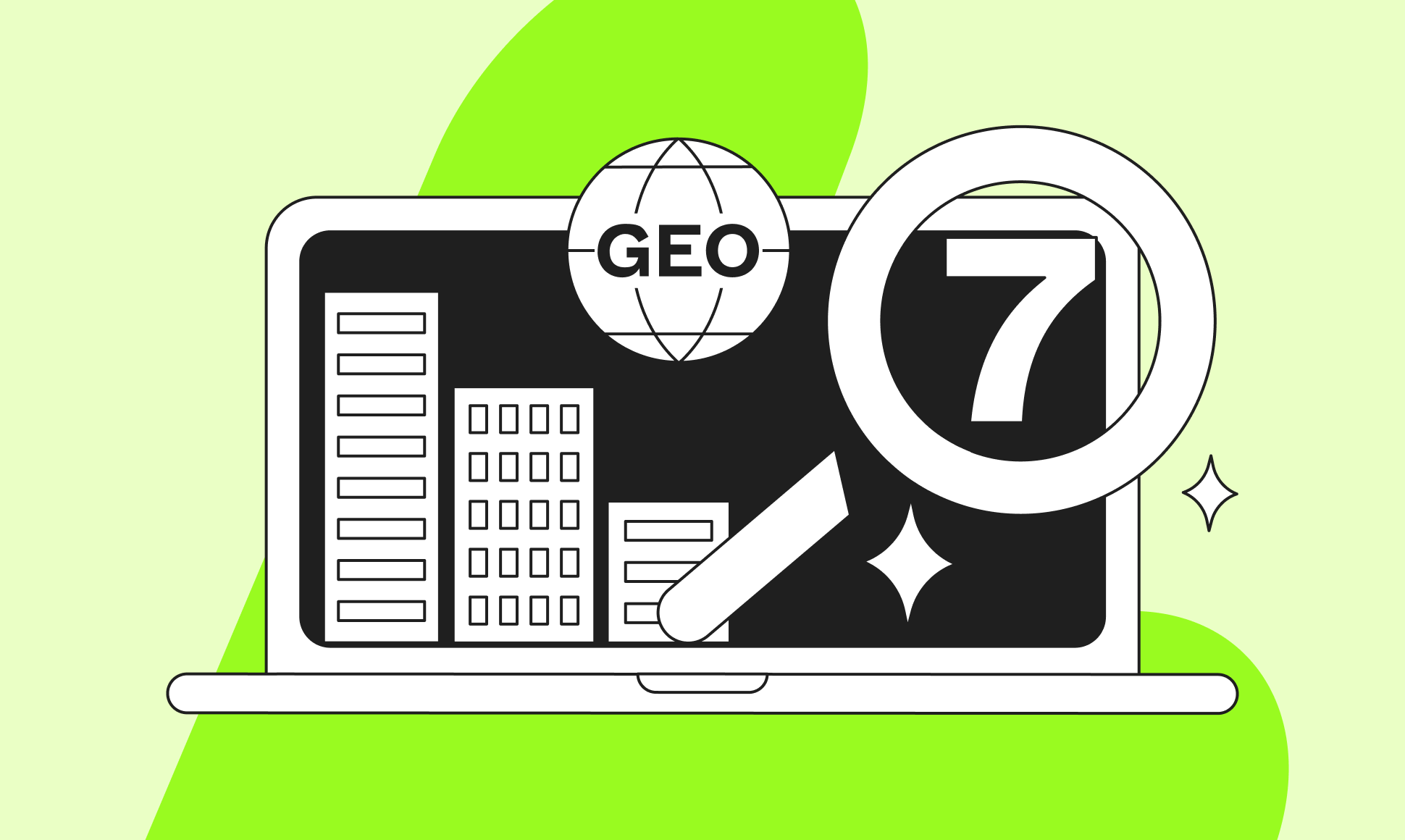
- Get a crash course in GEO with our primer article, GEO Explained in 5 Minutes (opens in a new window)
- Learn what AI search means for your content strategy (opens in a new window) in the coming year
Omnichannel has been the tech industry’s favorite buzzword for years. At this point, it’s less of a feature and more of an expectation. Users assume your brand will provide seamless, consistent experiences across all channels.
While omnichannel might not be a new concept, emerging technology has certainly changed the game: in the age of AI and GEO, the stakes have been raised exponentially. A CMS with basic omnichannel function isn’t enough. It needs to empower structured, reusable, high-quality content as a natural part of your content engine.
You need an omnichannel CMS built for the age of AI.
In this article, we’ll show you what it really means to be ready for enterprise omnichannel success. We’ll cover why it matters and guide you on which features to look for in a CMS that’s primed for the GEO era.
Let’s get started.
Omnichannel capabilities are now mission-critical
As search evolves and grows, consistently delivering high-quality content without so much as a hiccup is now the gold standard. Generative engines will favor authoritative, consistent results. As more and more users leverage AI to discover content, catering to this format will be essential.
Content can’t be channel-specific anymore. Not only is single-channel creation inefficient, but it’s also unimpressive to users and AI seeking out a full omnichannel browsing experience. If what you’re creating isn’t clear, consistent, structured, authoritative, and context-rich, AI engines go from a conversion driver to a major brand risk. Oh, and don’t forget it has to be unique, high-quality content, too.
It’s a tall order. And the only way to fulfill it is to have content that operates as a system. One unified, all-encompassing strategy and driven by a future-forward CMS that can be efficiently optimized for modern consumption.
GEO rewards consistent, quality omnichannel systems, not silos. Treat your content as modular data that could be viewed anywhere, and watch your omnichannel and GEO strategies succeed.
Enterprise omnichannel: 7 CMS features that matter
Content has changed. Your CMS’s omnichannel capabilities can be the difference between being top of mind or falling into obscurity. Here are seven omnichannel CMS features that are must-haves in the age of GEO.
1. Headless, API-first architecture
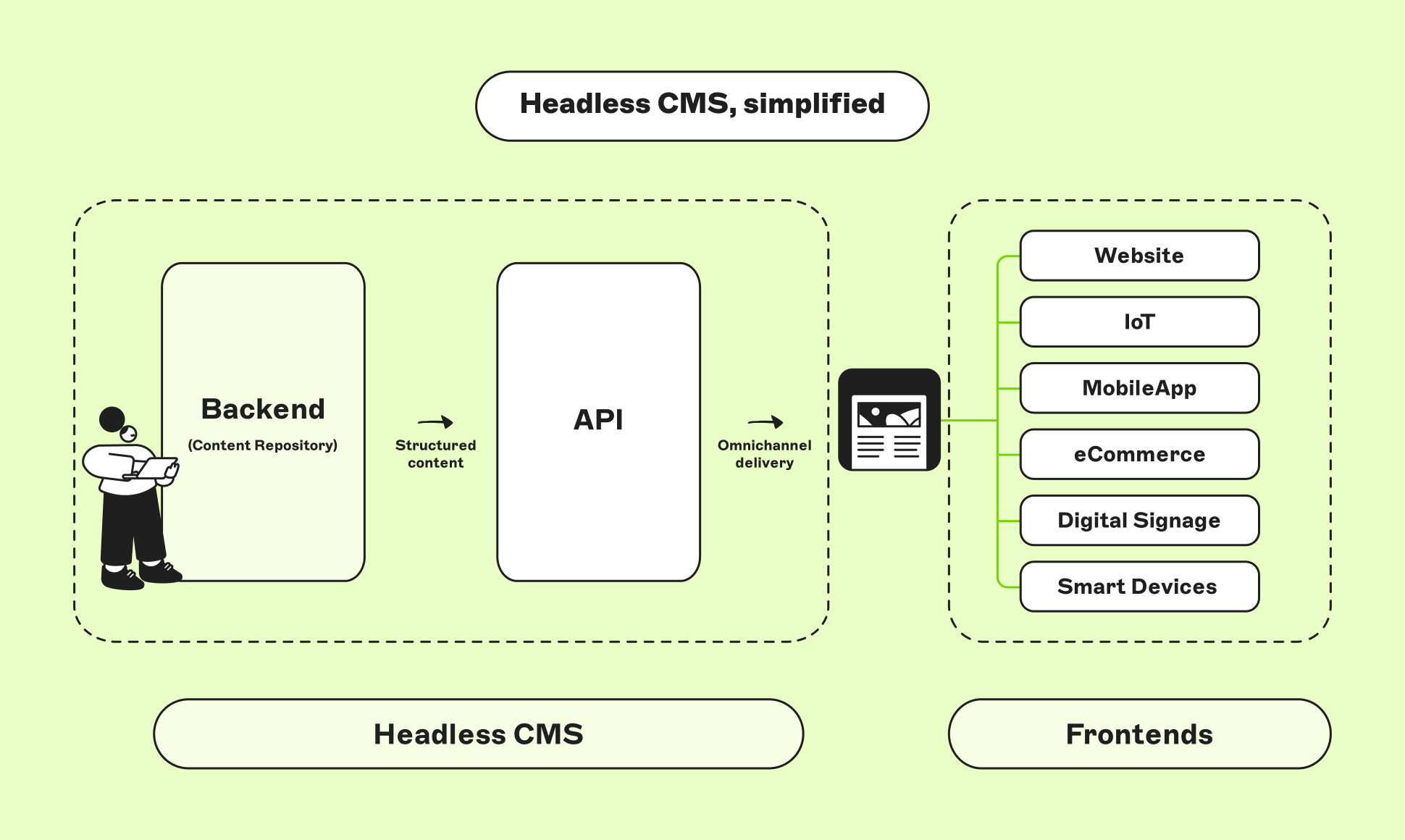
Less of a feature and more of a way of life, headless is the key to ensuring your content can get delivered anywhere. And we mean anywhere:
- Websites
- Apps
- In-store kiosks and digital ad surfaces
- Voice assistants
- AI tools
- Smart devices (watches, speakers, fridges…)
- …and any other channel, current or future, that can connect via API
This is thanks to the decoupled infrastructure. Content is stored in one universal location, which can then be accessed by any frontend channel. This provides long-term flexibility while also giving you one source of truth to ensure all content is updated and reflects your brand properly.
It’s also key to sustainable scaling: with centralized, simple management, you can expand your reach to different channels and regions with a fraction of the effort by repurposing your content.
Learn more about headless CMS in our article, Headless CMS Explained
2. Structured content modeling
In the same way that single-channel approaches are no longer enough, single-page creation strategies are also too inefficient to be sustainable. One page designed as a single monolith of content has very little reusability.
Think about it: one landing page could contain several components like images, blocks of text, CTAs, and so on. But as one singular piece of content, none of those can be individually reused. Content creation can’t be fully optimized, and teams are forced to spend time reproducing component pieces that would otherwise be available.
But, if you choose a CMS that embraces content modeling, it suddenly becomes an efficiency treasure trove. Content modeling breaks down pages into their component parts - the text blocks, CTAs, and images - and stores them as reusable components to apply wherever you need them.
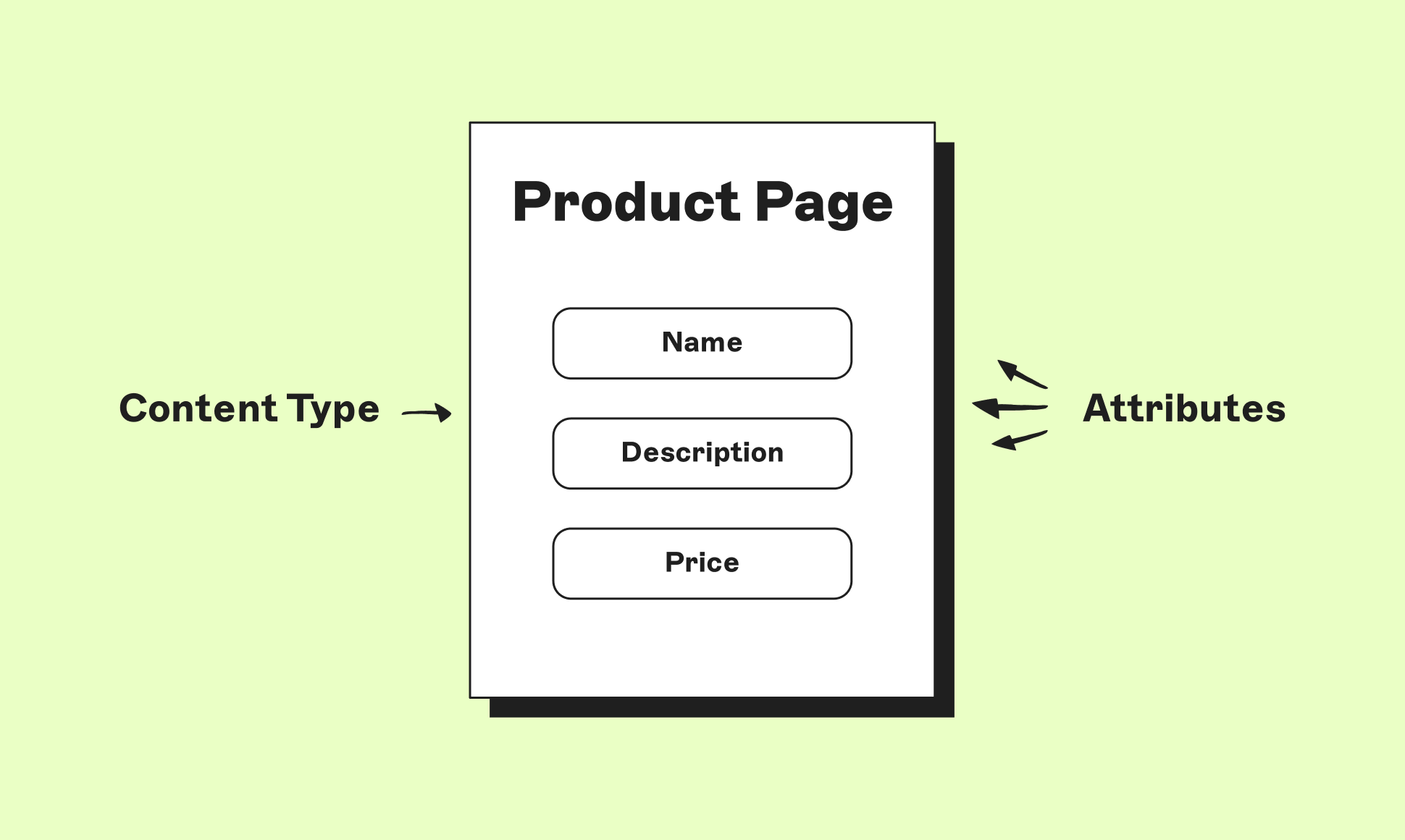
This provides a double benefit for enterprise omnichannel:
- Content scaling across channels is now far easier, faster, and more efficient without losing consistency or quality
- The highly structured approach is perfect for consistency, localization, and AI understanding – meaning you’ll show up faster, higher up, and more frequently than unstructured competitors.
Get a more detailed look with Content Modeling, Explained
3. True content reusability across channels
True omnichannel needs to be efficient, sustainable, and fast. If you can’t support content reusability that saves the day in any format, there’s an automatic limit on your success.
Make sure your CMS is a fully-featured “create once, deploy anywhere” tool that acts as one source of truth for every channel. This prevents duplicate content from being released, displays from getting messed up, and crucial updates from applying inconsistently.
This also reduces the risk of having outdated or conflicting information that could compromise your GEO results. True centralization means you only need to monitor one data set to ensure brand integrity, with any changes being applied universally and with immediate effect.
4. Omnichannel preview and visualization tools
Regardless of your best efforts to standardize everything for seamless omnichannel experiences, there are some conditions that will inevitably impact your content.
Maybe you’re using AI-powered translations and want to make sure the structure still makes sense in a different language, or you’re worried about a large image showing up on an iPhone. Invest in a CMS that gives you a real-time visual preview, and you’ll never have to guess what your omnichannel content will look like.
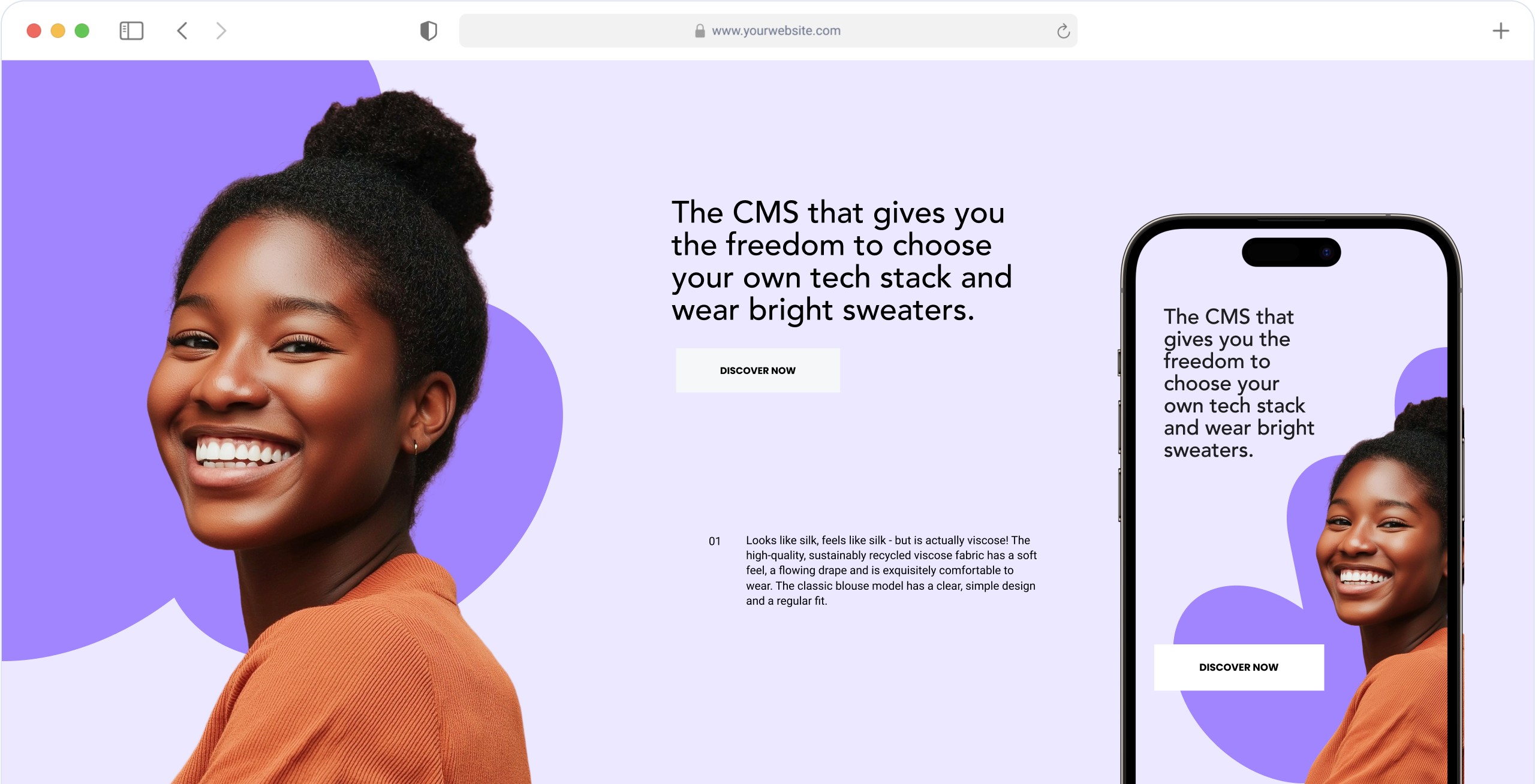
An instant preview of what your content will look like across channels and regions gives you the opportunity to spot-check before you publish. In addition to helping with distribution, a visual preview is also very helpful for the content creation phase. Some CMSs even allow you to toggle between omnichannel views as you build. This helps you monitor display results and avoid any big last-minute changes.
5. Localization and market-specific control
Omnichannel scaling requires a careful content strategy. Seek out localization features that support omnichannel strategy, such as:
- Granular translation level options (for example, translation on a field, folder, or space level)
- AI-powered translation features for quick turnaround
- Easy integration with third-party localization tools
If your team is also working across regions, consider the collaboration features as well. Even small improvements to teamwork can make a big difference with spread-out or asynchronously operating groups. The easier it is to work together, the faster you’ll be able to scale your omnichannel strategy.
6. Intelligent rulesets and automation
Omnichannel efforts need a solid support team, which is bound to be larger in an enterprise context. Intelligent automation rules keep your processes moving and your content high-quality. Keep an eye out for features that support this, such as:
- Approval workflows to ensure consistency without losing velocity
- Granular user roles with pre-defined capabilities
- Easy, instant omnichannel distribution with automatic publishing to social media
Every team has a different approach, so look for highly customizable features as well. Customizable workflows, for example, can help you minimize team bottlenecks while still supporting content governance.
Discover enterprise-grade automation with FlowMotion.
7. Performance and feedback loops
Sustained success is a moving target. To achieve omnichannel distribution on an enterprise level, you’re going to need a CMS that can help you monitor your performance. This means keeping track of how content is performing across all channels, not just web traffic.
Look for solid analytics tools, or even better, seamless third-party integration. That way, you can choose the best tracking option for the metrics your brand is pursuing. You could even integrate a few different tools to get a holistic view of your performance from different angles.
In the more subjective sense, there are a few questions you can ask yourself to get a feel for how GEO-friendly your strategy is as well:
- How much engagement does your content get?
- Are the messages, structure, and branding all clear and consistent?
- Are you able to reuse content created once in several areas without major adjustments?
This is an ongoing process, so the more you can build continuous optimization into your work schedule, the more competitive your brand will be.
Key takeaways: Enterprise visibility relies on omnichannel
Content is now enterprise critical. Pushing out mountains of assets no longer guarantees visibility, especially with the increasingly sophisticated GEO principles gaining more ground. Distribution is only one part of the game.
Omnichannel success requires intention. By choosing a CMS primed for modern visibility, you transform your content into a strategic asset that can be leveraged for brand benefits throughout all possible touchpoints.