The Best Headless CMS for Enterprise in 2026: US and UK Buyer's Guide

Storyblok is the first headless CMS that works for developers & marketers alike.
If you need the short answer: there is no single best enterprise headless CMS in 2026. The right choice depends on what your organization needs the CMS to do, how your teams work, and which constraints matter most.
Storyblok is particularly strong for organizations that want to give marketers visual editing and greater publishing autonomy while giving developers control over the underlying architecture. Contentful is an established option for complex enterprise content operations. Sanity suits developer-led teams that want extensive customization. Contentstack and Kontent.ai are worth considering where governance and compliance requirements are particularly important. Hygraph takes a GraphQL-native approach to content federation, while Agility CMS focuses heavily on marketer usability. Strapi stands out for organizations that prioritize self-hosting and infrastructure control.
The feature lists can look surprisingly similar. APIs, localization, workflows, visual editing, integrations, and AI capabilities appear across much of the market. The meaningful differences emerge when you consider how a CMS will actually operate inside a large organization, where hundreds of editors may be working across different brands and markets, marketing teams need enough independence to move quickly, and developers still need control over the underlying architecture.
This guide compares eight enterprise headless CMS platforms for 2026, including where each is strongest, what to consider before choosing one, and the questions US and UK enterprise buyers should ask.
The 2026 change enterprise buyers should know about: Salesforce now owns Contentful
Salesforce signed (opens in a new window) a definitive agreement to acquire Contentful on June 1, 2026. The acquisition was completed on September 1, 2026. Salesforce says Contentful will provide a native content layer for Customer 360 and Agentforce, connecting customer data with content for personalized, AI-powered experiences across channels.
For buyers, the acquisition adds a new consideration: How Contentful’s roadmap and product strategy will evolve as it becomes part of Salesforce’s Customer 360 and Agentforce ecosystem.
That’s worth factoring into a long-term CMS decision, particularly for organizations currently evaluating Contentful against independent headless CMS vendors.
What "enterprise-grade" actually means in 2026
Calling a CMS “enterprise” doesn’t make it enterprise-ready. At this scale, the question isn’t simply whether a platform has APIs, workflows, or localization. Buyers need to understand how those capabilities behave when content operations span multiple websites, brands, markets, languages, teams, and technology systems. Six areas deserve particular scrutiny:
- API-first architecture and structured content. Content should be separated from presentation and structured so it can be reused across websites, apps, e-commerce experiences, AI systems, and other channels. This is also the foundation of composable architecture (opens in a new window).
- Governance and workflow. Look at roles and permissions, approval workflows, versioning, releases, auditability, and how governance works across different teams and regions. Our guide to content governance (opens in a new window) explores this in more detail.
- Editorial experience and marketer autonomy. Test how much a non-technical editor can accomplish independently: building landing pages, previewing changes, scheduling releases, managing translations, and collaborating with other editors versus how much requires engineering support for even minor changes.
- Multi-site and multi-market operations. Localization is more than translating fields. Enterprise teams may need different content structures, permissions, workflows, assets, navigation, and publishing processes across regions.
- Security and compliance. Evaluate authentication, access controls, SSO, data residency, certifications, subprocessors, SLAs, and then contractual and technical requirements specific to your organization.
- AI-readiness: Don’t limit this to whether the CMS has an AI writing assistant. Structured, reusable, accessible content is increasingly important for AI-powered workflows, agents, and search experiences.
Our guide to AI-ready content models explains this in more detail.
| Platform | Best for | Entry pricing | Data residency | Notable |
|---|---|---|---|---|
| Storyblok | Teams balancing marketer autonomy with developer flexibility | Free; Growth from $99/month; enterprise plans custom | EU is the default for self-service; data center selection available on Premium and Elite | Visual Editor combined with component-based, API-first architecture |
| Contentful | Large organizations looking for an established composable content platform | Free; Lite $300/month; Enterprise custom | Default US; EU data residency available on Premium | Acquired by Salesforce in September 2026 |
| Sanity | Developer-led teams wanting extensive customization | Free and paid tiers; Enterprise custom | Multi-region infrastructure | Highly customizable content platform and editorial environment |
| Contentstack | Large organizations with complex governance and digital experience requirements | Custom | Regional hosting options | Broad enterprise content and digital experience capabilities |
| Hygraph | GraphQL-native teams and content federation use cases | Free and paid tiers | EU hosting available | GraphQL-native approach and content federation |
| Agility CMS | Enterprises wanting marketer independence plus hands-on support | Custom enterprise pricing | Regional hosting options | Strong focus on marketer experience |
| Strapi | Teams prioritizing self-hosting and infrastructure control | Free self-hosted option; paid cloud and enterprise options | Depends on deployment model | Open-source option with greater infrastructure ownership |
| Kontent.ai | Enterprises with complex governance or regulatory requirements | Custom | Regional cloud options | Strong governance and compliance capabilitie |
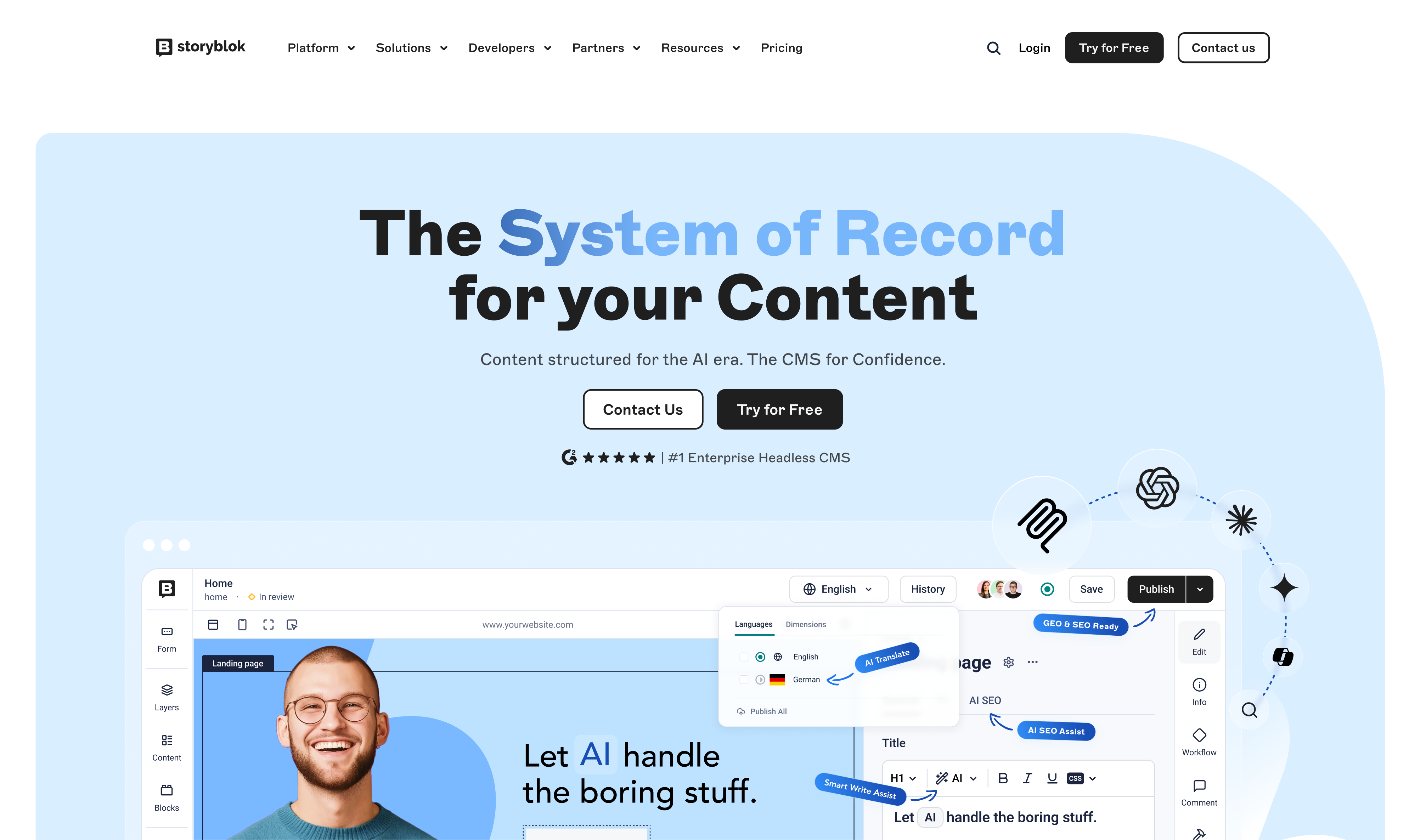
Storyblok pairs a true API-first, component-based architecture with a visual editor that lets non-technical teams build and rearrange pages without waiting on developers, but the two aren't in tension. Developers define the components and data structure; marketers work within that structure through an in-context, drag-and-drop preview. That combination is the actual differentiator, not visual editing on its own.
Storyblok uses a tiered, usage-based pricing model, with a free tier and paid plans starting around $99/month, which includes 5 seats, scaling with traffic, locales, and collaboration needs.
It's a particularly strong fit for organizations with established design systems and content-heavy, multilingual sites, where developers want to keep control of the underlying architecture while giving content teams real autonomy within it, rather than a tool that favors one team at the other's expense. Storyblok holds ISO 27001 certification, re-evaluated annually by TÜV Rheinland.
Moving from a WordPress setup to Storyblok reduced content time-to-market from days or weeks to hours and shifted the vast majority of editable pages and content updates (around 80%) to editorial and marketing teams. Developer dependency is now limited to component and module evolution, while content publishing, localization, and campaign launches are now much more autonomous and decoupled from code releases.

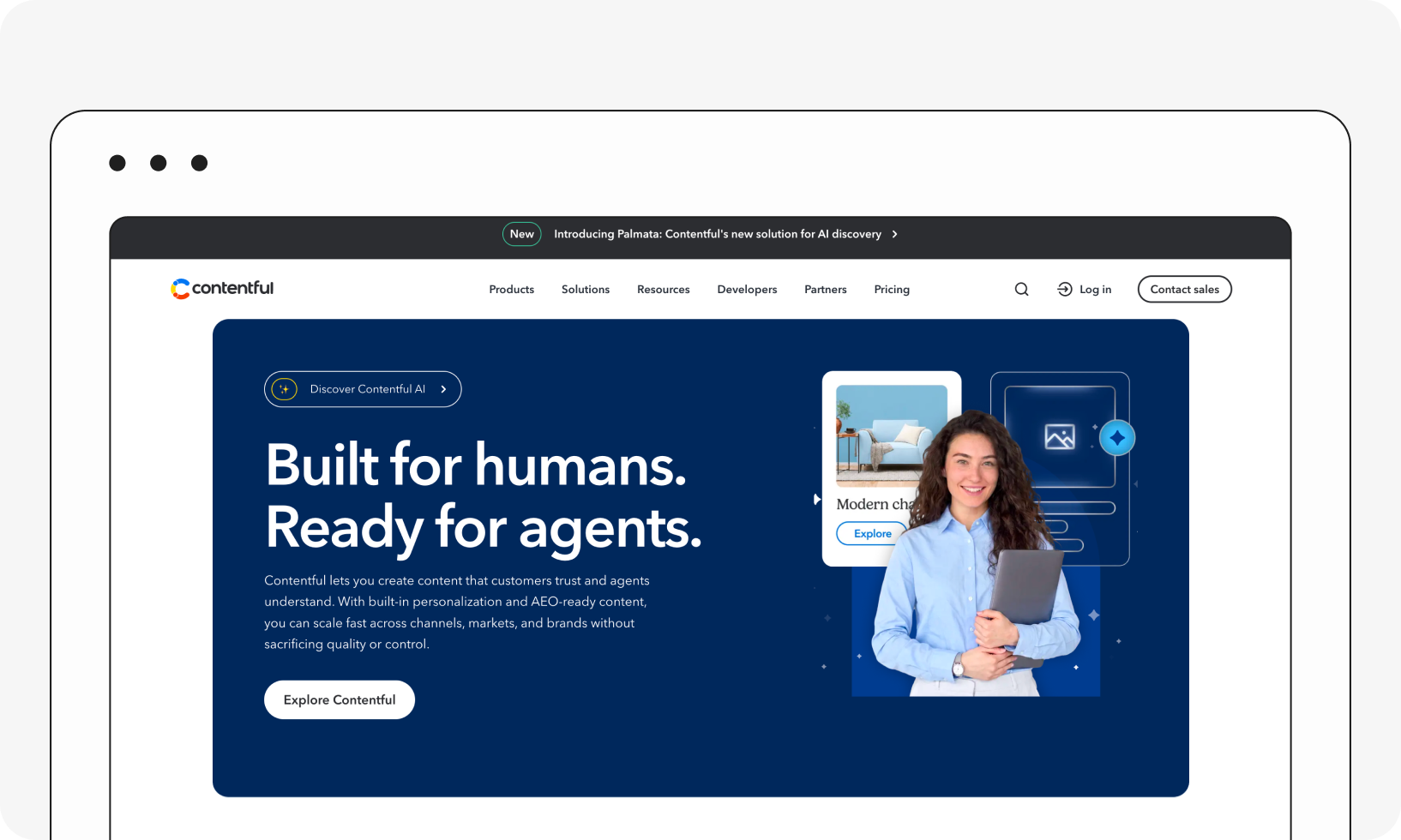
Contentful is one of the most established enterprise headless CMS platforms, built API-first to deliver content across many channels without locking teams into a single frontend framework. It remains a default shortlist entry for large organizations: It powers content for some of the largest companies in the market and has the deepest library of integrations and app-framework extensions in the category.
Its pricing structure is Free, Lite (around $300/month), and a custom-quoted top tier called Premium by some sources, Enterprise by others, which has absorbed what older materials still call the "Team" and "Enterprise" plans, so if you're seeing quotes referencing any of these names, ask which current tier they map to. Third-party procurement data shows enterprise pricing climbing modestly (under 2% year-over-year among tracked customers), though some vendor-comparison sites cite much steeper figures.
The bigger question for 2026 is less about price and more about direction: Contentful is now part of Salesforce, closing September 1, 2026, with an explicit roadmap toward Agentforce integration. That's a real advantage if you're already a Salesforce shop. It's a real risk if you're not, or if data sovereignty was already a concern, because the acquisition tightens Contentful's ties to US jurisdiction rather than loosening them.
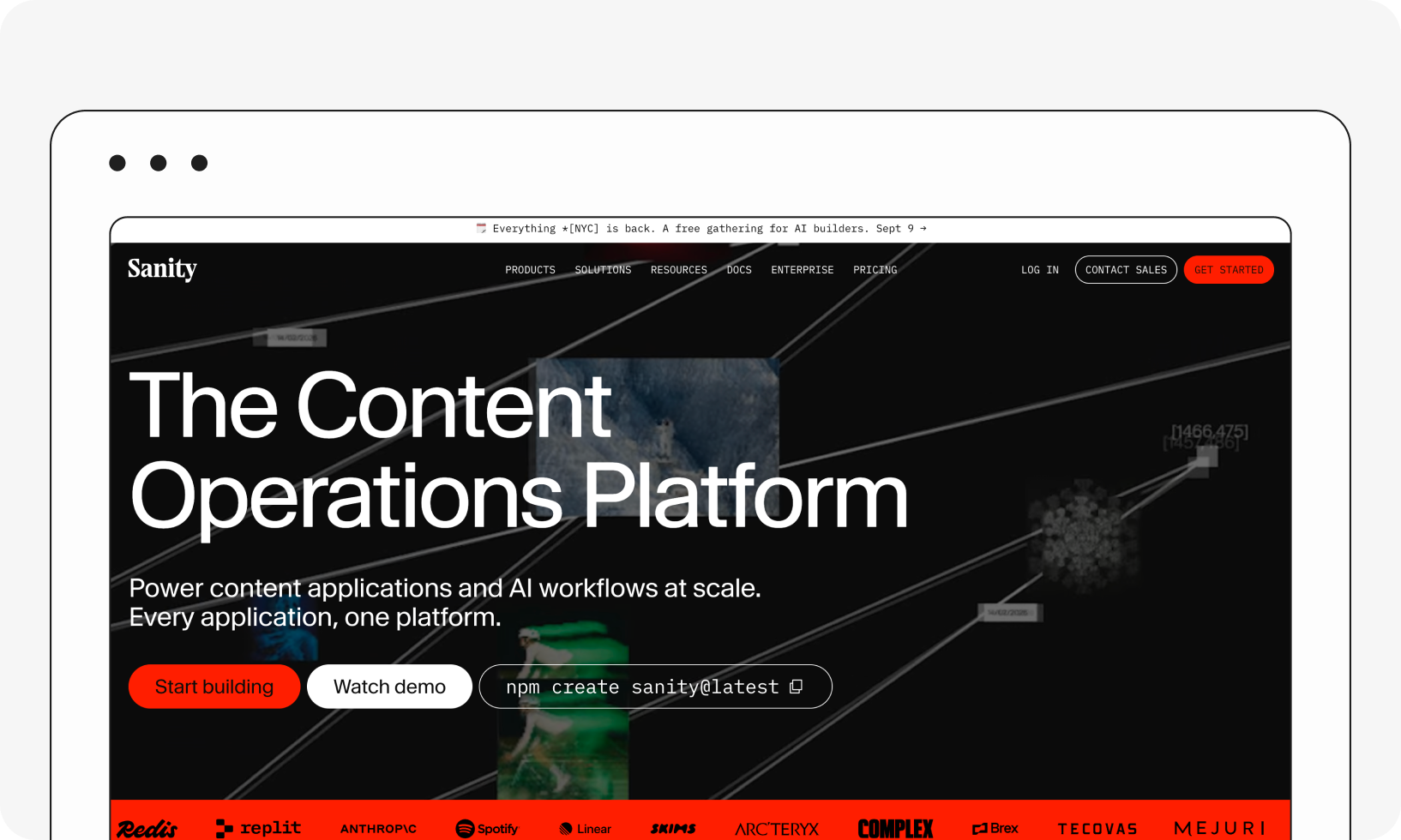
Sanity positions itself as a content platform rather than a traditional CMS, focused on flexibility and control rather than visual polish. It's the pick for engineering-led teams that want to build a fully custom editing experience on top of structured content, and its usage-based pricing can be more predictable for content-heavy, high-traffic sites than tiered plans.
The tradeoff shows up in enterprise features: as of 2026, SAML SSO is no longer available as a Growth-plan add-on; it's now bundled into Enterprise contracts only. If your security policy requires SSO from day one, budget for Enterprise pricing rather than assuming Growth will cover it with add-ons.
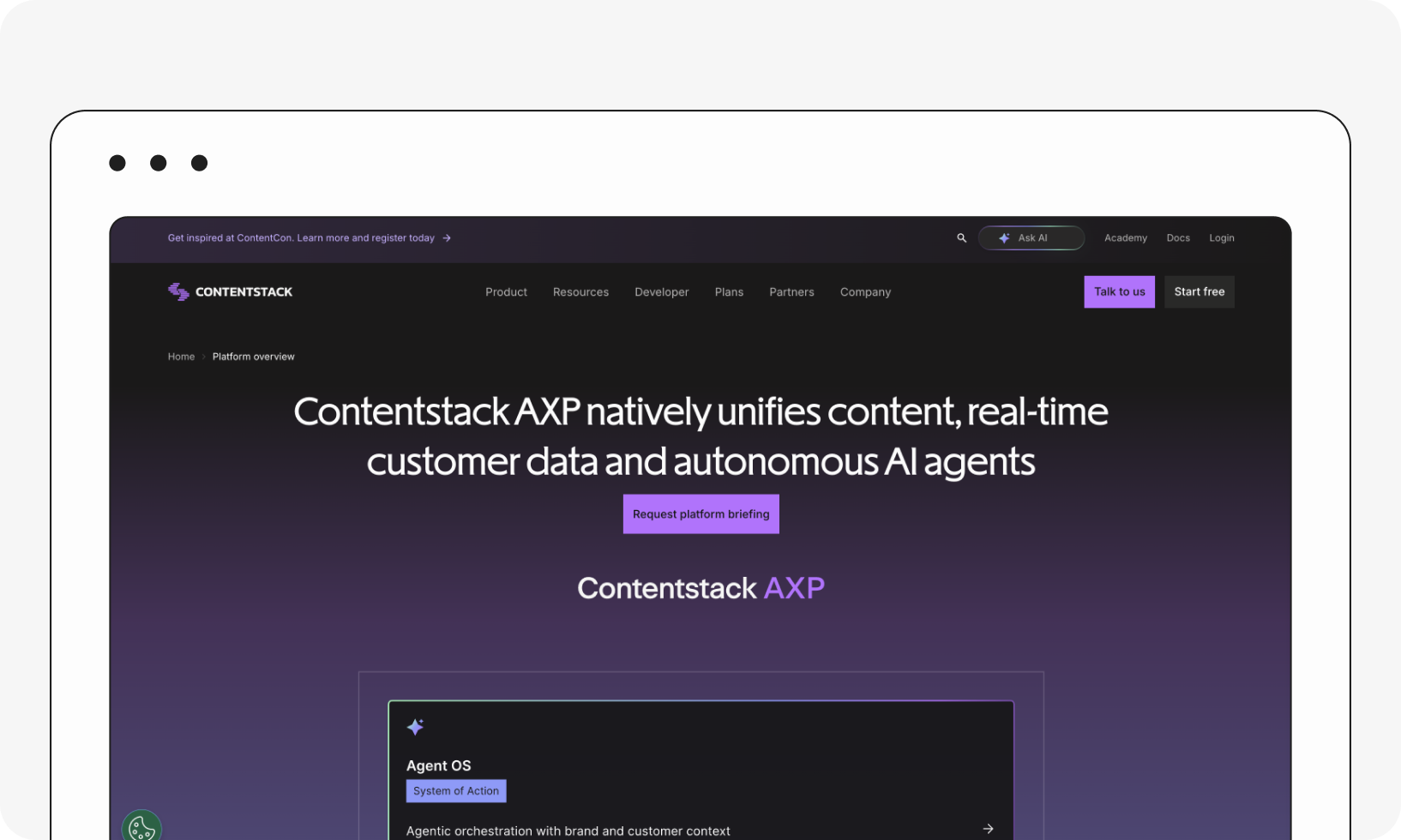
For large, multi-brand, or regulated content operations with complex approval workflows, Contentstack is built specifically for that problem. It behaves more like a full digital experience platform than a pure headless CMS, pairing structured content modeling with a marketer-friendly editor, a deep integration marketplace, and a built-in customer data platform. Expect enterprise contracts to run into six figures, and weigh that against whether your team genuinely needs omnichannel-scale governance or would be better served by a lighter platform.
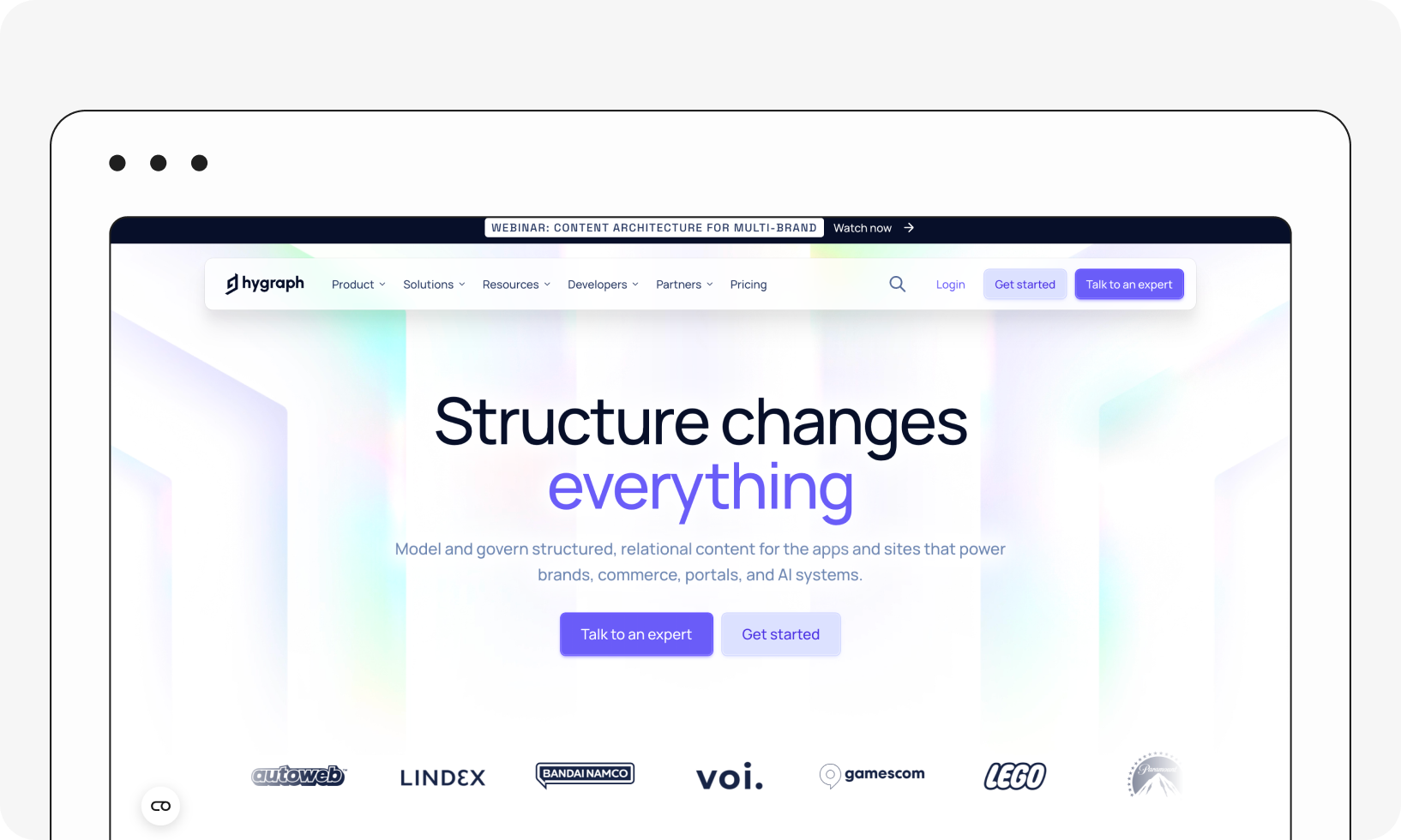
Hygraph (formerly GraphCMS) is worth a specific look for any team weighing data sovereignty alongside features. It's headquartered in Berlin, Germany, remote-first, hosted on EU infrastructure, which materially lowers CLOUD Act exposure compared to US-parented vendors—a distinction that matters more this year, not less, given Contentful's new ownership. On the product side, it offers strong content federation, the ability to natively unify content pulled from Contentful and other sources, and well-built migration tooling for teams moving off Contentful.
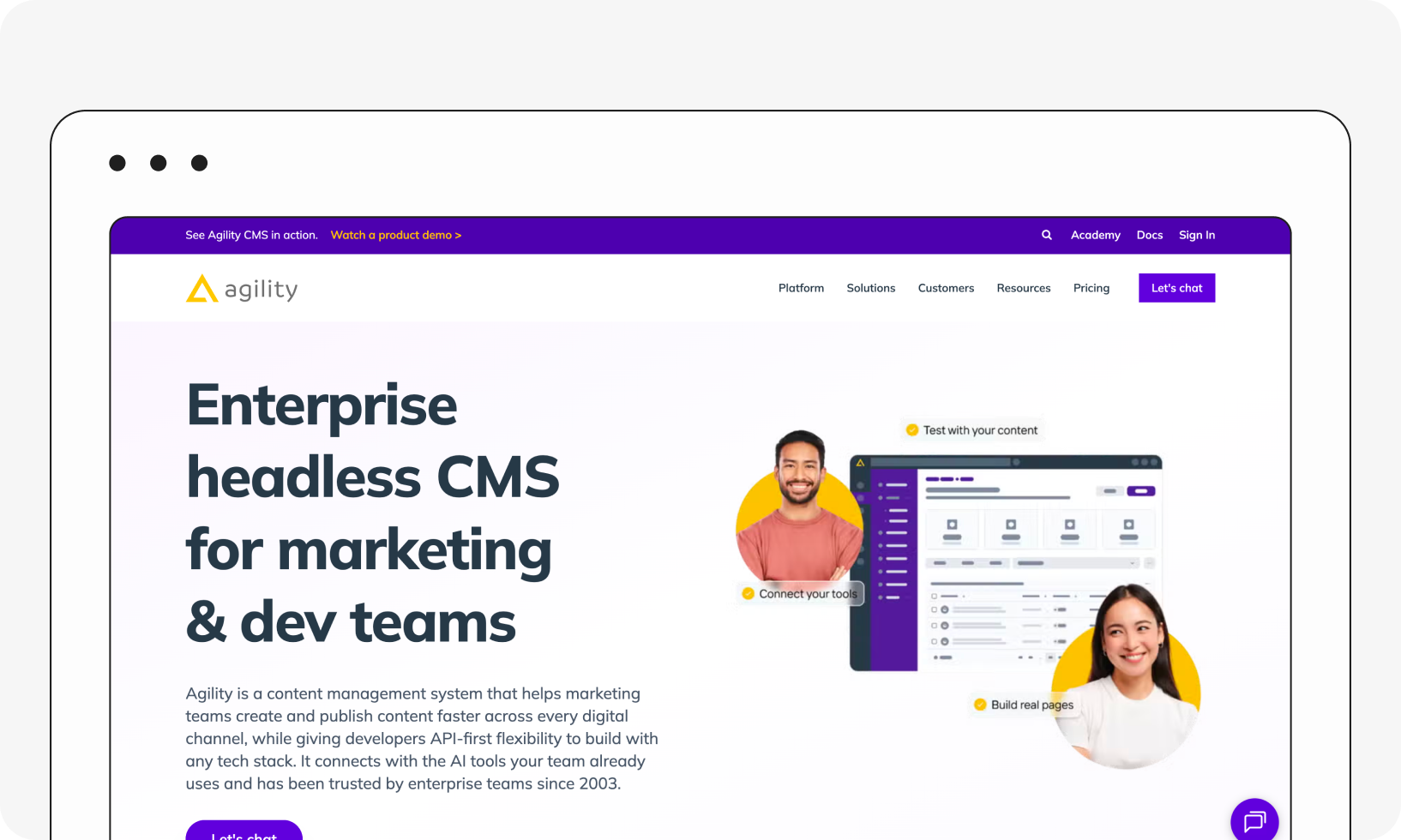
Agility CMS is positioned for enterprise teams that need marketer independence, developer flexibility, and hands-on vendor support. G2 named it a Leader in its Spring 2026 Headless CMS report, reflecting a 4.4-out-of-5 rating from 203 verified reviews and 38 badges across three categories. It's a strong option if your organization's biggest friction point historically has been marketing and engineering fighting over the same CMS.
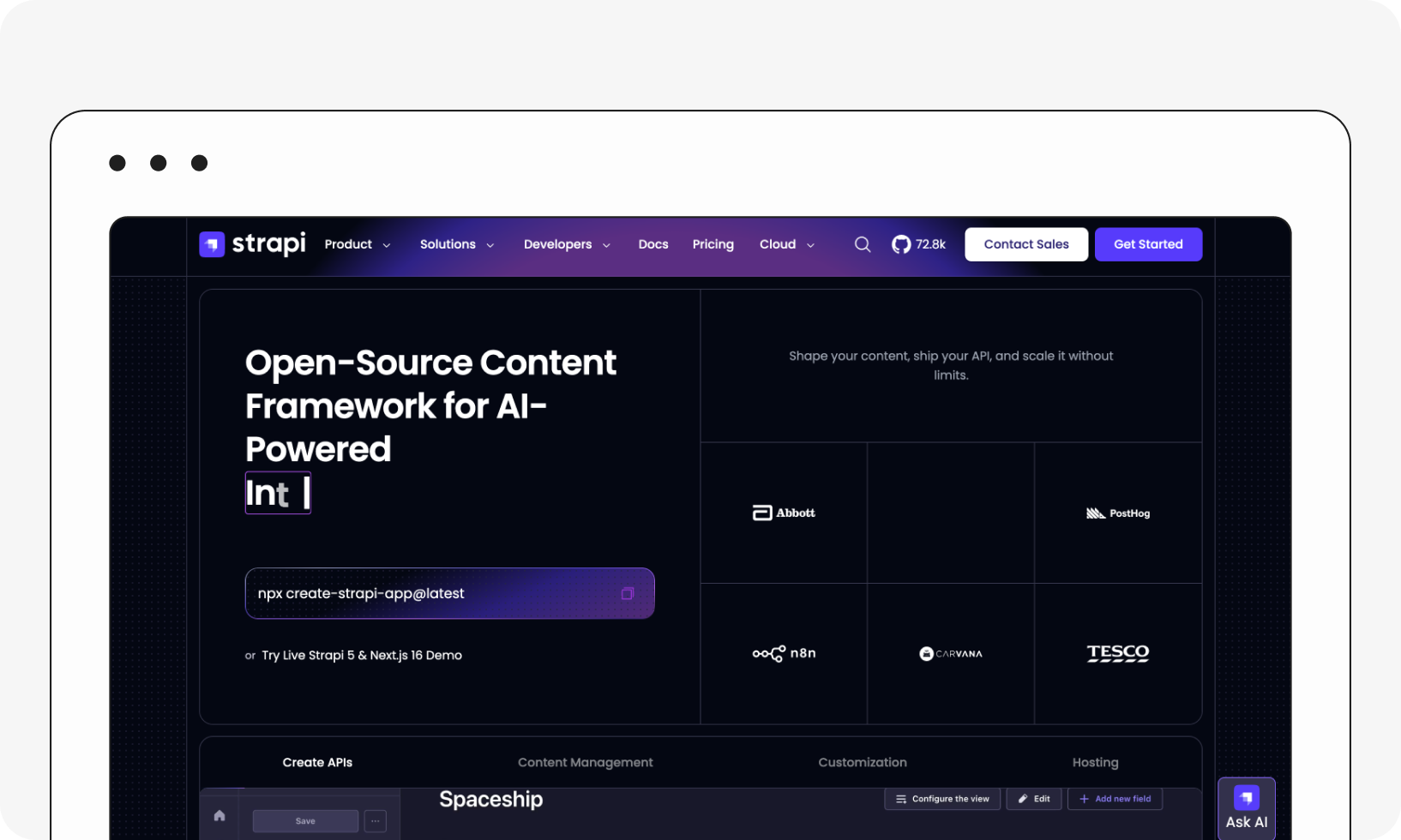
If data ownership and compliance control matter more than convenience, Strapi remains an open-source option you can fully self-host, keeping complete control over your codebase and data. The tradeoff is that you take on the operational responsibility of deployments, updates, security patches, and database infrastructure yourself; Strapi Cloud reduces some of that burden but adds cost back in.
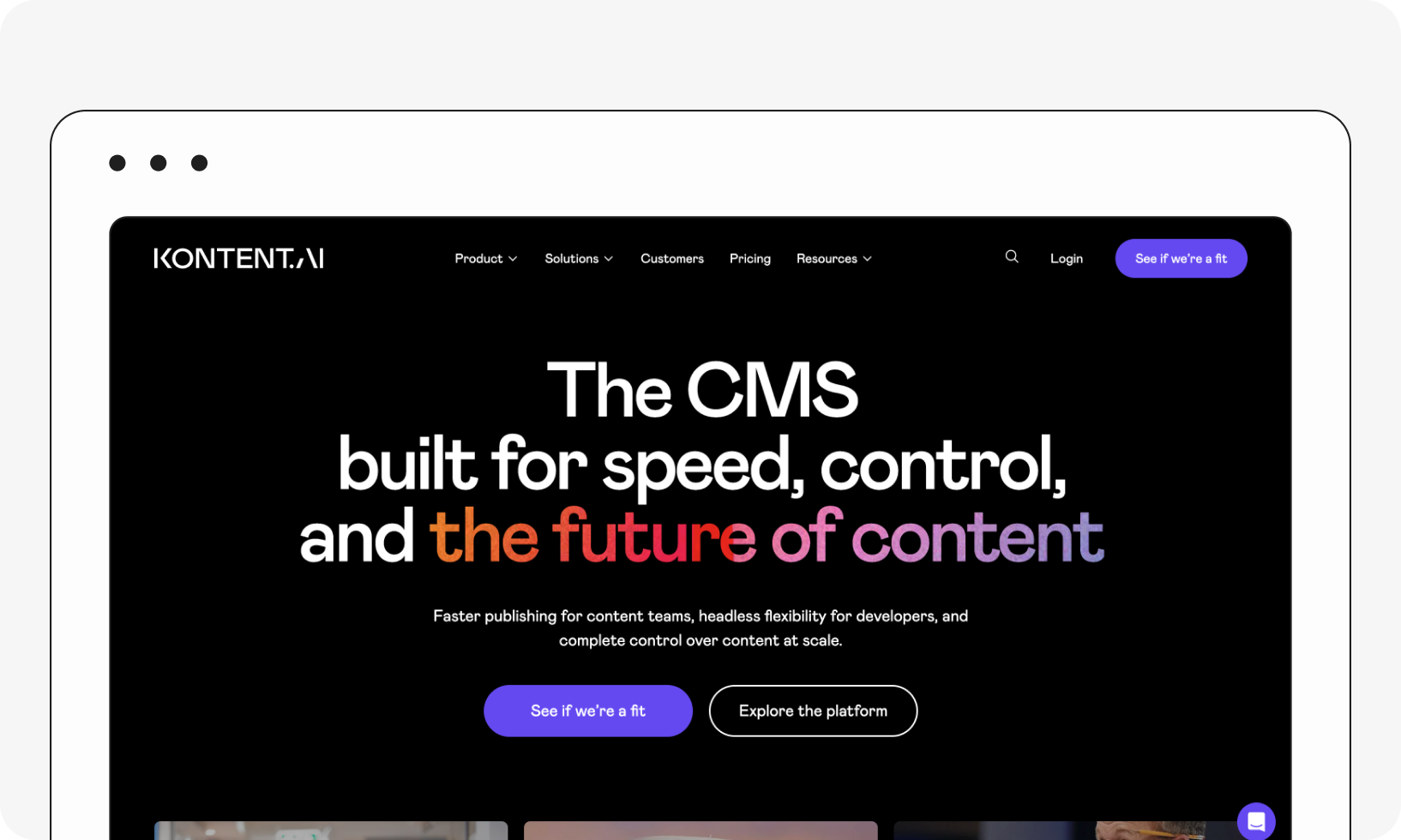
Kontent.ai (formerly Kentico Kontent, and before that part of Kentico, a Czech company headquartered in Brno) is a cloud-only headless CMS built around content governance and structured workflows: scheduling, approval gates, and versioning are configured out of the box rather than bolted on.
Its standout feature for this guide's audience is compliance breadth: it holds SOC 2, ISO 27001, and ISO 27017 certifications, GDPR compliance, and notably, HIPAA compliance with Business Associate Agreements available, putting it in a small group of platforms (alongside Contentstack and Sanity on request) that offer that. If your organization touches protected health information or operates in another heavily regulated vertical, this is the shortest path to a compliant CMS without building everything yourself. The tradeoff is a more rigid workflow model than Sanity's programmable one, and no published self-serve pricing — every deal goes through sales.
The US vs. UK enterprise CMS requirements: What actually differs?
Most technical CMS requirements don’t suddenly change when an organization crosses the Atlantic. APIs, content modeling, editorial usability, performance, governance, and integrations matter on both sides.
Where geography becomes more important is privacy, procurement, data residency, and regulatory requirements.
Data residency isn’t the same as data sovereignty
A vendor saying “EU hosting available” doesn’t answer every data-governance question.
Enterprise buyers may need to establish:
- Where their data is stored and processed.
- Which legal entity provides the service.
- Which subprocessors have access to the data.
- Which jurisdictions apply.
- What international transfer mechanisms are used.
- What encryption and key-management options exist.
- Which contractual safeguards are available.
Those questions should be addressed with your legal, security, and procurement teams rather than reduced to a single “EU hosted” checkbox.
What UK buyers should consider
UK organizations operate under the UK GDPR and Data Protection Act 2018 rather than the EU GDPR regime directly.
For CMS procurement, that means buyers should establish where personal data will be processed, which subprocessors are involved, what international transfers may occur, and whether the vendor can satisfy the organization’s own contractual and security requirements.
UK enterprises operating across Europe may have additional requirements because their content and customer-data operations span several jurisdictions.
What US buyers should consider
US requirements vary considerably by state, sector, and the types of data an organization processes.
Rather than looking for a generic “US-compliant CMS’, buyers should identify the privacy, security, accessibility, and industry-specific requirements that apply to their organization and then evaluate vendors against them.
A healthcare organization handling protected health information, for example, will have materially different requirements from a B2B manufacturer publishing product content.
How to choose an enterprise headless CMS
Instead of trying to declare one platform the universal winner, match the shortlist to the constraint you’re actually trying to remove.
- If marketers are constantly blocked by developers: Start with Storyblok and Agility CMS and test their visual editing experiences with real content.
- If extensive developer customization is the priority: Evaluate Sanity and Strapi.
- If you need sophisticated enterprise governance: Look closely at Contentstack and Kontent.ai alongside Storyblok’s enterprise governance capabilities.
- If GraphQL and content federation are central to your architecture: Evaluate Hygraph.
- If an established composable ecosystem is the priority: Contentful remains a major contender, with its new Salesforce ownership now part of the long-term evaluation.
- If self-hosting or infrastructure control is a hard requirement: Strapi deserves particular attention.
Once you’ve narrowed the field, run a proof of concept using your own content and workflows. Ask a marketer to build a real landing page. Give developers one of your actual integrations. Add two markets. Reproduce your permissions. Translate content. Preview it. Put it through approval. Publish.
The gaps become much easier to see when the CMS has to behave like your CMS.
This guide focuses on pure headless CMS platforms, which is why Adobe Experience Manager and Sitecore XM Cloud aren't part of the shortlist above: both are broader digital experience platforms with a different pricing and architecture model, and worth evaluating on their own terms if your organization is already invested in either ecosystem. One timing note if AEM is part of that evaluation: Adobe's core support for AEM 6.5 ends February 2027, with support on Adobe Managed Services ending even earlier, August 31, 2026—worth factoring in regardless of which direction you're leaning.
Frequently asked questions (FAQs)
Is Contentful still independent? No. Salesforce signed a definitive agreement to acquire Contentful on June 1, 2026, and the acquisition closed on September 1, 2026. Contentful says its platform and APIs are staying the same for now, with deeper Salesforce/Agentforce integration planned.
Which headless CMS platforms support HIPAA compliance? Kontent.ai and Contentstack offer Business Associate Agreements as a standard part of their enterprise plans. Sanity offers one on request. Self-hosted platforms like Strapi can meet HIPAA requirements through infrastructure-level controls instead of vendor-level certification.
Does EU data hosting protect against the US CLOUD Act? Not on its own. If the vendor's controlling legal entity is US-incorporated, US authorities can still compel data production even when the servers sit in the EU. True protection requires both EU hosting and an EU-headquartered legal entity, which is why platforms like Hygraph get specifically shortlisted by sovereignty-conscious UK and EU buyers.
What's the difference between UK GDPR and EU GDPR for CMS buyers? UK-based organizations are governed by UK GDPR and the Data Protection Act 2018, enforced by the Information Commissioner's Office, separately from EU regulatory oversight. Vendors need to be able to answer UK-specific processing-location questions, not just point to general EU compliance.