The State of Security 2026: Why The Biggest Threat Isn’t AI

Storyblok is the first headless CMS that works for developers & marketers alike.

- Get the full story. Download the State of Security 2026 for free today (opens in a new window)!
Turn on the TV or scroll through social media, and you’ll be amazed at all the things AI is at once: a threat and an opportunity, a revolutionary and an oppressor, humanity’s hero and its villain. And thanks to the high stakes involved, nowhere is that buzz more intense than in the world of cybersecurity.
But for all the very real potential that AI has to change our lives, all the attention around it presents its own risk. Obsessing over a single threat can mask a slew of other security issues. The State of Security 2026 (opens in a new window) offers a reality check. Storyblok surveyed 300 security experts from around the world to break through the hype and see where real security priorities lie. The result?
AI might be on their radar, but when it comes to the biggest priorities, security leaders are losing sleep over risks closer to home: people, processes, and platforms.
Let’s take a sneak peek at this report and see what it means for enterprises everywhere. If you want the whole story and access to exclusive statistics, download the State of Security 2026 (opens in a new window) for free.
Why 2026 is a turning point for enterprise security
Markets move faster than ever these days. Just staying in the race is a full time job. Delays and losses from a single security incident, even a so-called “minor” one, can be enough to lose your foothold in an industry.
Beyond increasingly competitive markets, 2026 has also seen a variety of security factors come to a head:
- 27% of global full-time employees (opens in a new window) now work remotely, with 52% working hybrid. Enterprises need more technology that offers less direct control to support this structure.
- Governance and compliance mandates such as the GDPR and web accessibility standards (opens in a new window) are increasingly enforced
- AI is only getting better by the day – and forever changing how companies operate (opens in a new window)
- Customers are security-minded, with 70% saying they would stop shopping with a brand that experiences a security breach (opens in a new window).
The margin for error is slimmer than ever. It’s crucial to direct your security efforts and budget where they can protect you the most.
Inside the research
With how rapidly tech is continuing to evolve, it helps to turn to the experts who are seeing its impact unfold every day. No hype. No hot air. Just a snapshot of how real teams are handling the mounting security challenges of 2026.
As anyone might expect in this day and age, AI was definitely on the experts’ minds:
- 99% agree that AI will impact their security practices
- But, it only takes 3rd place when it comes to the biggest overall security concern. Human threats – like hackers, insider threats (opens in a new window), and ransomware – are a far bigger concern.
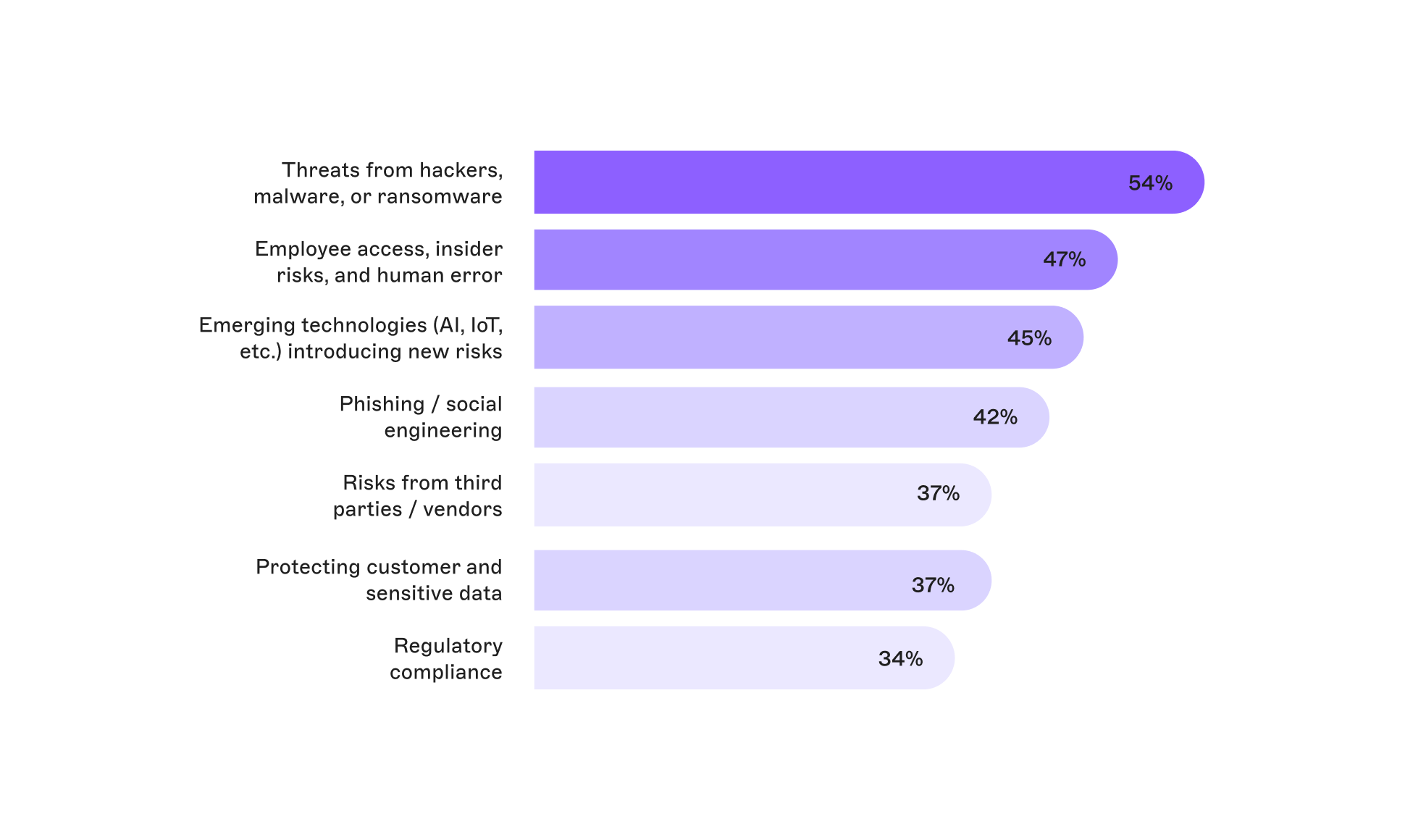
Security leaders are keeping tabs on a lot of threats, but their fellow humans still top the list of biggest overall security concerns for 2026.
While AI was present, it didn’t dominate the conversation. Leaders have a lot on their minds in 2026:
- User authentication and access control holds the second-highest priority for security investments
- The biggest barrier to improving security comes from a talent gap, not any AI-related threats
- The majority of people who had security issues interfere with content strategy were using legacy CMSs (opens in a new window)
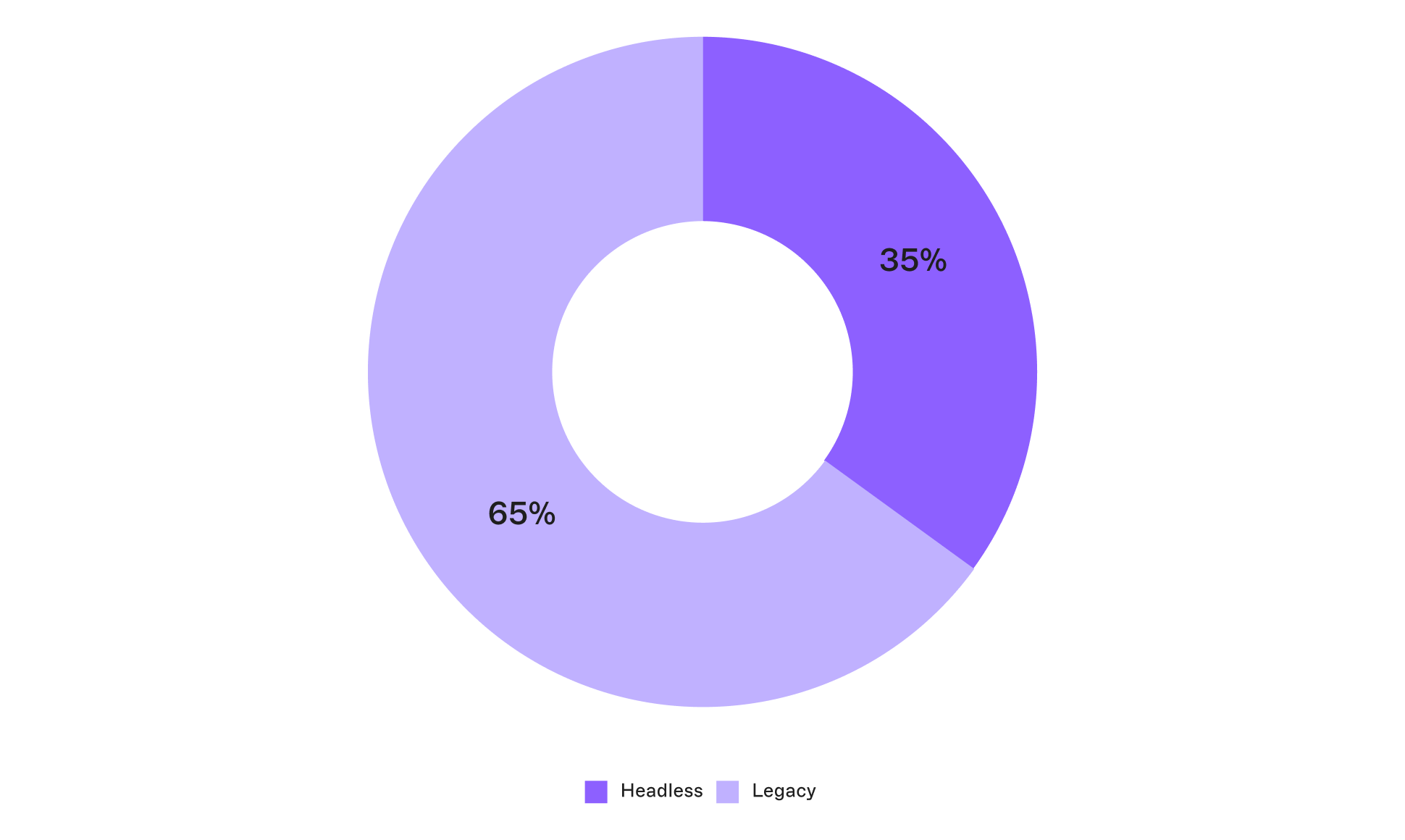
Legacy users were more likely to struggle with security issues impacting their content strategy – a dangerous vulnerability in an era where AI search makes content a critical asset.
The most striking trend, however, might just be the lack of one. Security concerns for 2026 run the gamut. AI, insider threats, data privacy, increasing regulations – expert concerns cut across all topics.
The biggest lesson for 2026 is that experts are locked into creating healthy, balanced security strategies. Flexible, but fortified. Relying on established quality standards, but keeping an eye on things to come. People-first, inside and out.
The State of Security shows us that modern security is systemic – and the companies who approach it as such will be the ones best prepared for the year to come.
Explore the full State of Security 2026 report for free
We’ve only just scratched the surface. Dive deeper with more original research on:
- Which certifications are prioritized
- Where budget and future investment are going
- What security teams are bracing for in the year ahead
- And much more!
Discover what 300 security teams across the world have to say about the future of enterprise security. Download the full State of Security 2026 report for free today. (opens in a new window)


